
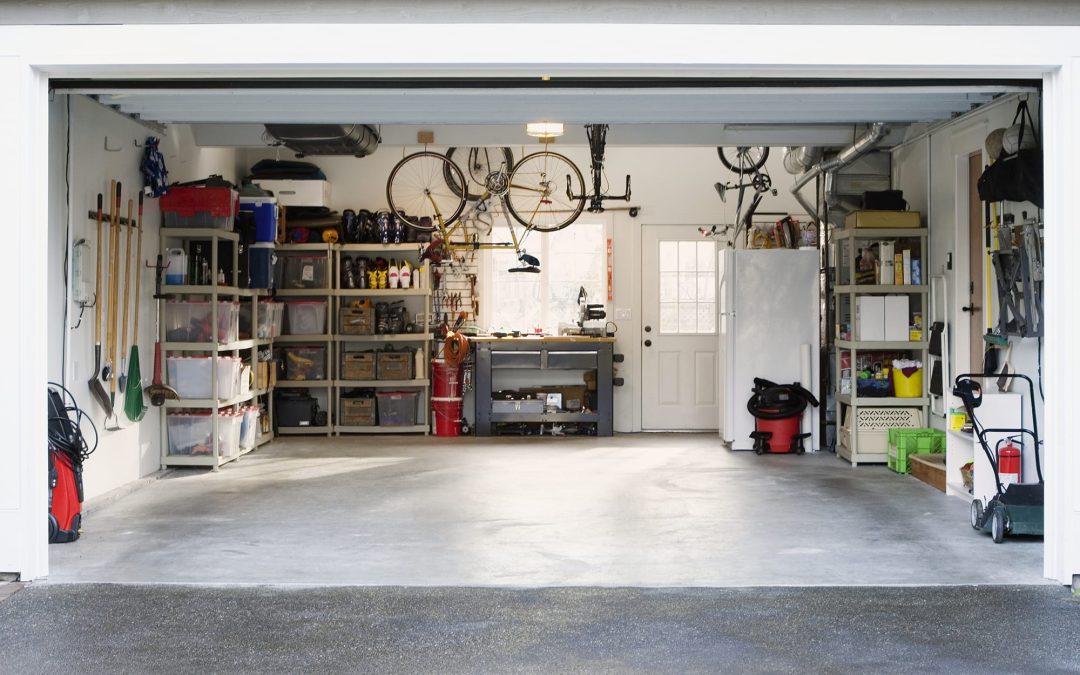
Running power to a shed Australia wide means absolutely transforming it from a place for basic storage into a truly functional space.
What are your plans for your powered shed?:
- Setting up a workshop?
- A home office?
- A hobby room?
Many homeowners just like you ask us about the right approach to take for a shed connection – which is why we decided to write it all out for you! The reality is that while running power sometimes sounds reasonably straightforward, there are actually strict regulations and practical steps that must be followed in Australia.
Here’s what you need to know – so run through these 8 steps and we’re sure you’ll get your head around everything:
1. Understanding the regulations
Electrical work in Australia is highly regulated for safety reasons. The law requires that almost all installation work is carried out by a licensed electrician.
This includes running new circuits from your main switchboard to an external structure. Attempting shed wiring projects in Australia on your own without proper qualifications is illegal and potentially dangerous.
Unapproved wiring risks:
- Fire hazards
- Electric shocks
- Insurance claims being denied.
Getting the work certified by a qualified electrician ensures compliance with standards and long-term safety.
2. Can you legally DIY?
There are very few aspects of shed electrical wiring that a homeowner can legally carry out themselves, we’re afraid.
Tasks you ARE allowed to do include:
- Replacing light bulbs
- Plugging in appliances
- Installing extra-low voltage solar or battery garden lights.
However, anything involving fixed wiring, a new shed switchboard, underground cabling, or hardwired outlets must be done by a licensed professional. Even seemingly small jobs like adding shed power points require certification for insurance and safety purposes.
3. Why you might need a shed wiring diagram
The need for a shed wiring diagram in Australia is something you may have heard about – for good reason. It helps you plan exactly how the space will function.
A diagram helps you and your electrician map out:
- How many outlets you’ll need
- The placement of lights, switches, and ventilation
- Whether the shed will run heavy-duty tools or just small appliances
- Cable entry points and pathways.
This kind of planning avoids costly mistakes and makes it easier to expand later. Even if you only need basic shed power today, a diagram helps ensure you’re prepared for future upgrades.
4. Rough costs of powering a shed
The running power to shed in Australia cost depends on several factors:
- Distance from the main house
- The size of the shed and number of circuits
- Whether trenching or switchboard upgrades are required
- Complexity of the equipment to be installed.
As a really rough guide, a simple setup with a few outlets and lights might cost around $1000-$1500. Larger projects with multiple circuits, climate control, or high-powered equipment can easily exceed $3,000.
Getting an upfront, itemised quote ensures you know exactly what to expect.
5. Earthing requirements
One of the most critical aspects of shed safety is earthing. Standards and regulations require that you follow proper shed earthing requirements in Australia for compliance – and that goes for any external electrical installation, by the way.
Depending on your setup, this might include:
- Running an earth cable back to the home’s switchboard
- Driving an additional earth stake beside the shed
- Bonding metallic frames and exposed conductive parts.
Correct earthing reduces the risk of electric shock and ensures the system is safe in the event of a fault. This work must always be inspected and certified.
6. Shed wiring ideas
The best shed wiring depends on how you plan to use the space. A few common shed wiring ideas include:
Workshop: Dedicated circuits for heavy tools, multiple outlets at bench height, and bright task lighting.
Home office: Climate control, data cabling, energy-efficient lighting, and built-in USB charging.
Entertainment space: Ambient LED lighting, weatherproof external lights, and separate circuits for fridges or sound systems.
Storage: A single light and one or two outlets for charging battery-powered garden tools.
With the right planning, your shed can be practical and safe without overspending.
7. Mains Power vs Solar for Sheds in Parramatta & Across NSW
When locals in Parramatta ask about powering a shed, the first decision is usually between mains wiring and a solar setup. Both can work well, but which one makes sense depends on how you plan to use the space.
Mains Shed Wiring
If you’re thinking of a full mains connection, that means running a circuit back to your home’s switchboard. It’s the reliable choice and gives your shed the same power supply you’d expect inside the house. That way you can safely run welders, compressors, air con, or even a home office without worrying about tripping breakers. The catch is the upfront work – it usually involves trenching, cabling and sometimes a board upgrade. But for most Parramatta homeowners who want their shed to double as a workshop or hobby space, mains power is the long-term answer.
Solar Power For Sheds
On the other hand, solar has become popular across NSW, especially for lighter shed use or where trenching is tricky. A couple of panels and a battery can comfortably power lights, charge cordless tools, or keep a bar fridge running. It’s a good low-cost and sustainable option if you’re only in the shed during the day. The flip side is that solar systems have limits. If you’re planning late-night work or using heavy-duty tools, you’ll hit those limits pretty quickly.
So which way should you go? For sheds around Parramatta and Western Sydney, most homeowners choose mains power if they want full reliability, and solar if they’re after a simple, off-grid setup. These days many residents combine the two – connecting their shed to a home solar panel installation.
8. Other key considerations
Along with the basics, there are other details to keep in mind:
Switchboard capacity: Your home’s board may need upgrading to support the additional load.
Weatherproofing: Outdoor cabling, conduits, and fittings are essential to withstand rain, heat, and pests.
Energy efficiency: LED lighting, motion sensors, and smart switches can keep running costs low.
Future growth: Leave room in your shed power board and circuits for later upgrades.
These considerations highlight why expert advice is crucial before making decisions.
9. Why professionals are essential
Hiring a licensed electrician for running power to shed and garage spaces is about more than just following the law – it’s about protecting your family and property.
A professional ensures that:
- All work complies with AS/NZS 3000 wiring rules
- The system is tested, certified, and insured
- Long-term reliability is achieved without cutting corners
- Future maintenance or upgrades can be done safely and easily.
DIY shortcuts can lead to unsafe outcomes, higher costs, and serious risks. Professionals guarantee both compliance and peace of mind.
Need shed wiring help in Paramatta?
Powering a shed is a fantastic upgrade – but safety and compliance come first and the process requires experience and certification. A licensed electrician will ensure everything works smoothly, legally, and reliably for years to come.
For expert help with shed wiring in Parramatta and surrounding suburbs, enter your details at Electrician Parramatta and a quote will be on the way!